

Contact us
- Chongqing Industrial Design Promotion Center
- No. 1, Shangqingsi Road, Yuzhong District, Chongqing, People's Republic of China
- +86-23-60332626
- [email protected]
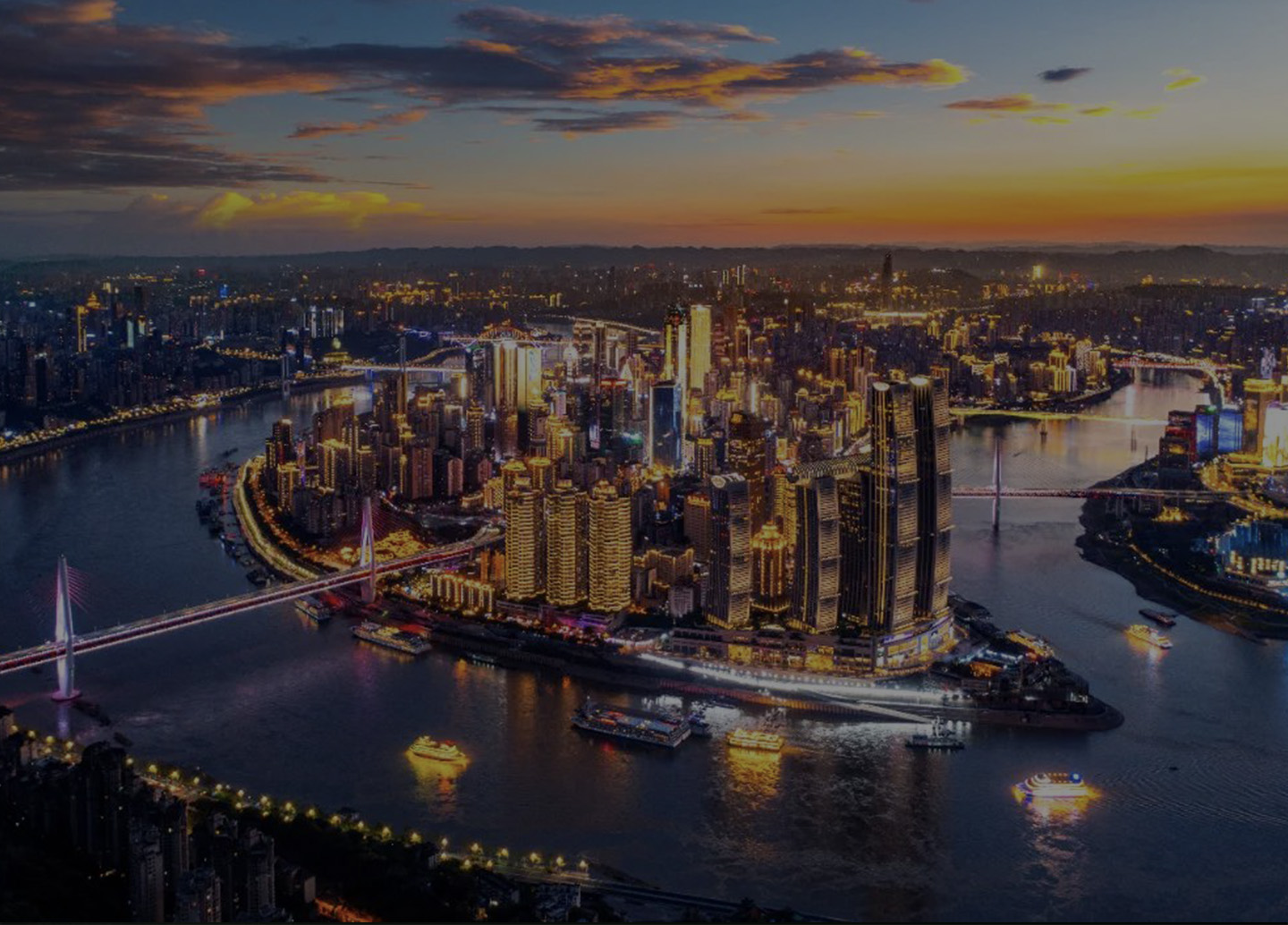

The Chongqing City of Design visual identity (hereinafter referred to as the “Logo”) is a representative symbol for Chongqing’s global international design cooperation and city image promotion. It is a vital element of the city’s design industry development.
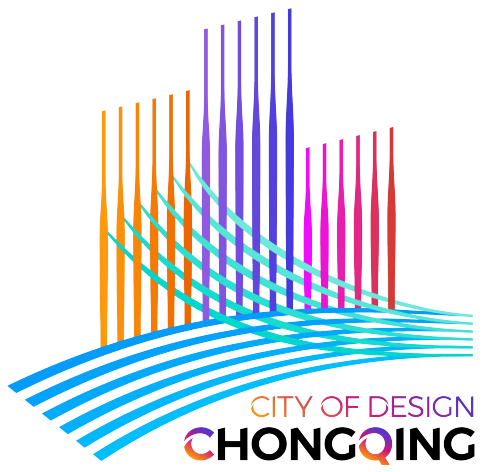
Chongqing is a city of mountains and rivers. Inspired by Chongqing’s urban landform, the logo outlines classic images such as Chongqing’s “mountain city”, “two rivers”(Yangtze and Jialing) and “night scene” through intertwined lines, showing the vigorous and enterprising spirit. The upper part of the graphic is composed of three staggered cubes, which not only shows the Chinese character “mountain” and the skyline of Chongqing, but also symbolizes the development of Chongqing’s design capital led by the three major industries of industrial design, engineering design and fashion design. The lower half of the graphic is composed of two intertwined curves that depict the geographical characteristics of the confluence of the Yangtze River and the Jialing River. The overall color of the logo is orange, purple, red, green and blue, of which orange, purple and red express the colorful appearance of Chongqing, and the green and blue colors symbolize the Yangtze River and Jialing River, representing the city’s green ecological vitality and highlighting the charm of Chongqing as a magical “8D” city and a UNESCO City of Design.
(1) Major Events: festivals, important conferences, investment promotion inspections, exhibition activities, forum exchanges, etc.
(2) Office & Administrative Applications: Official badges, business cards, envelopes, desk plates, certificates, medals, certificates, trophies, souvenirs, etc.
(3) City Promotion: promotional videos, brochures, publications, public service advertisements, official websites, WeChat public accounts, Weibo, Douyin(TikTok China), news, etc.
(4) Public Services: interior decoration, publicity boards, advertising displays, etc. in public cultural places such as libraries, cultural centers, and youth palaces.
(5) Industrial Carriers: Signs, guide maps, building facades in design creative parks, design towns, design companies, and service platforms, etc.
(6) Public Facilities: roads and bridges, road signs, neon lights, map door plates, station docks, signs, trash cans, guardrails, etc.
(7) Architectural Signage: sculptures, installations, etc. in historical buildings, art galleries, science and technology museums, etc.
(8) Characteristic Areas: scenic spots, scenic spots, characteristic blocks, historical and cultural preservation sites, park squares, large stores, etc.
(9) Advertising Applications: bunting, billboards, poster light boxes, mobile interfaces, event backdrops, etc. for public welfare purposes.
(10) Other Fields: Other application scopes for public welfare publicity and public display beyond the above.
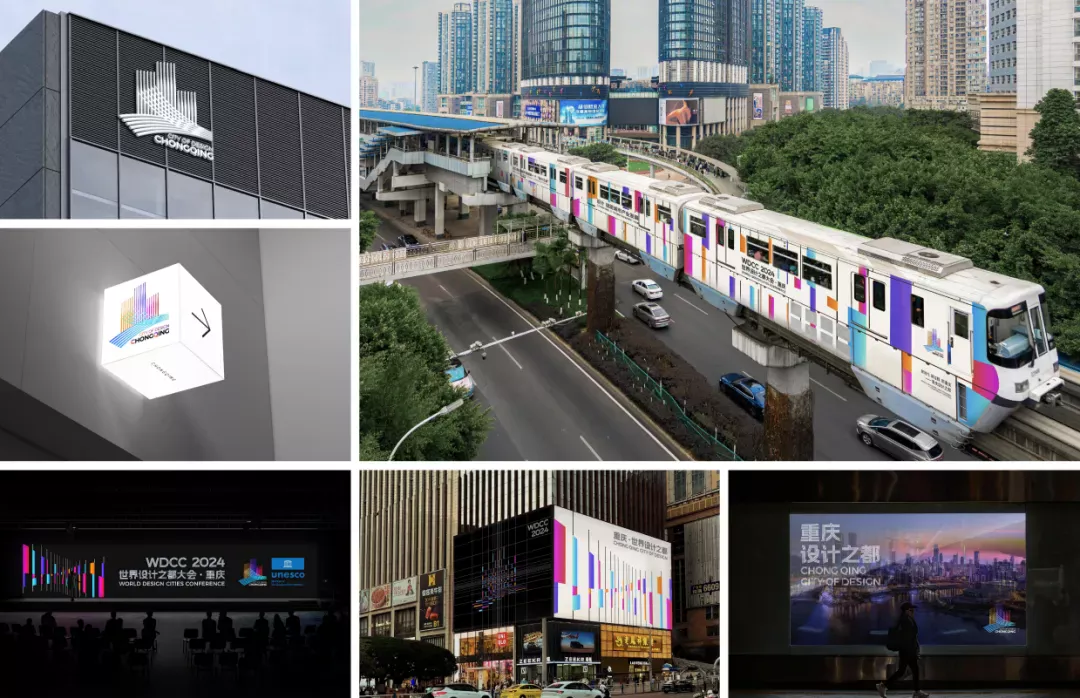
(1) Chongqing Municipal Economy and Information Technology Commission regulates the pattern, text and combination of the logo and provides guidelines for use, which is implemented by the Chongqing Manufacturing Talent Service Center (Chongqing Industrial Design Promotion Center) as the implementation department of logo management. Users must apply to this management department for the vector files, specify the scope of use, and must not use the Logo for commercial profit.
(2) Government agencies, enterprises, and institutions are encouraged to use the Logo properly and legally in activities such as design exchanges, promotional displays, investment promotion, as well as various competitions, exhibitions, and forums. However, the Logo must not be altered arbitrarily, displayed on damaged, faded, or unsightly surfaces, or presented in non-standard proportions or colors.
(3) The identification system is divided into two systems: the Basic System and the Application System. The Basic System includes logos, standard colors, Chinese and English standard fonts and combinations, etc., and the Application System mainly refers to the derived use of the Basic System on office supplies, environmental layouts, etc.
(4) When used alongside other organizational or event logos, the Logo should be placed in a prominent position (e.g., the left side or other conspicuous locations).
(5) When used in combination with the UNESCO Creative Cities Network (UCCN) logo, it shall comply with the management requirements of the UNESCO Creative Cities Network visual logo.
(6) The use of signs should strictly follow these guidelines, and if there is a violation, the logo management implementation department will issue letters, notices, etc. as appropriate, and order immediate rectification. If the logo is used to engage in illegal or criminal activities, the logo management implementation department will cooperate with the intellectual property management department, market supervision and management department, public security and other relevant units to pursue legal responsibility in accordance with the law.
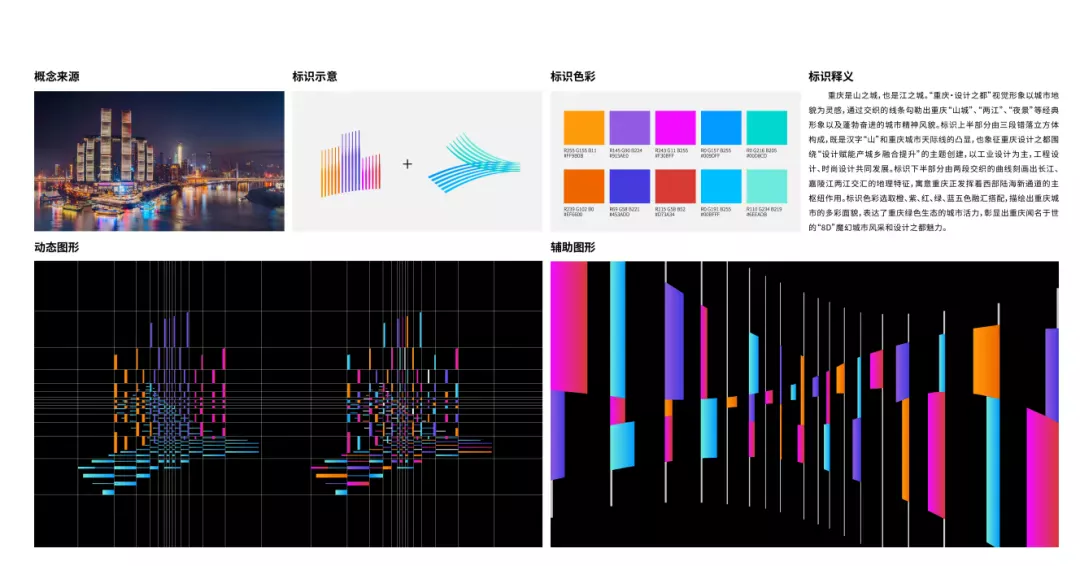
Logo Usage Administration: Chongqing Manufacturing Talent Service Center (Chongqing Industrial Design Promotion Center);
Address: Unit 1, Building 7, No. 70 Huju Road, Yuzhong District, Chongqing (Area A, Headquarters City);
Contact: Mr. Liao
Tel: 023—63898012,15123189178
Source: Chongqing Municipal Commission of Economy and Information Technology