
Contact us
- Chongqing Industrial Design Promotion Center
- No. 1, Shangqingsi Road, Yuzhong District, Chongqing, People's Republic of China
- +86-23-60332626
- [email protected]
This article provides a comprehensive guide to traveling from Singapore to Chongqing, including flight options, travel tips, and cultural highlights. Whether you’re planning a business trip or a leisure journey, this guide covers everything from direct and connecting flights to what makes Chongqing a must-visit destination in Western China.
Traveling from Singapore to Chongqing bridges two dynamic cities with distinct cultural flavors, economic prowess, and strategic importance in Asia. Singapore, the Lion City, is a bustling cosmopolitan hub in Southeast Asia, while Chongqing, one of China’s largest and fastest-growing municipalities, is renowned for its rich history, spicy cuisine, and strategic inland port on the Yangtze River.

There are multiple ways to travel from Singapore to Chongqing, but the most common and efficient option is by air. Direct flights offer speed and convenience, while connecting flights via major Chinese cities can provide cost-saving alternatives. Other transport options, such as overland travel or rail, are theoretically possible but are highly impractical due to vast distances, numerous borders, and logistical complexity.
In this guide, we’ll explore all available air travel options, compare carriers and schedules, highlight key features of Chongqing, and summarize the journey to help you plan your trip efficiently.

As of mid-2025, there are a few airlines offering direct flights from Singapore Changi Airport (SIN) to Chongqing Jiangbei International Airport (CKG). Direct flights typically take around 4 hours and 30 minutes. Here are the main carriers operating this route:
Singapore Airlines (SIA)
Frequency: 3-5 times per week
Aircraft: Airbus A330 or Boeing 737 MAX
Inclusions: In-flight entertainment, meals, 30kg baggage allowance
Notes: Ideal for business travelers due to consistent schedule and premium service
SilkAir (Now merged under Singapore Airlines branding)
Frequency: Occasional charter or seasonal flights
Notes: Often listed under Singapore Airlines with smaller aircraft
China Southern Airlines
Frequency: 3 times weekly
Aircraft: Airbus A320 or Boeing 737
Notes: May offer competitive pricing and codeshare with Scoot or other regional airlines
Scoot (Budget option)
Frequency: 2–4 times per week, varies seasonally
Aircraft: Boeing 787 Dreamliner or Airbus A320neo
Features: No-frills service, additional charges for meals and luggage
Best for: Budget-conscious travelers
In case direct flights are not available on preferred dates, there are numerous 1-stop or 2-stop options via major Chinese and regional hubs. These may increase total travel time to between 7 and 14 hours, depending on layover duration.
Popular connection cities include:
Guangzhou (CAN) – via China Southern
Shanghai (PVG or SHA) – via China Eastern or Singapore Airlines
Beijing (PEK or PKX) – via Air China or Singapore Airlines
Kuala Lumpur (KUL) – via Malaysia Airlines or AirAsia (budget)
Bangkok (BKK) – via Thai Airways or AirAsia
Economy Class: SGD 280–450 for direct flights (round trip); SGD 200–400 for indirect
Premium Economy: SGD 600–800 (limited availability)
Business Class: SGD 950–1500 depending on carrier
Budget Flights: SGD 180–300 with Scoot, AirAsia (add-ons not included)
Peak seasons (e.g. Chinese New Year, Golden Week) may lead to sold-out flights and higher prices—book early.
Red-eye flights may be cheaper and less crowded.
Watch for codeshare tickets which can combine full-service and budget carriers.
Check visa requirements, especially for layovers in China (though Singaporeans typically enjoy visa-free stays up to 15 days in China as of 2025, subject to latest regulations).
Once you land in Chongqing, you’re not just entering a city—you’re stepping into a fascinating, mountain-clad mega-metropolis unlike any other in China. Here’s a look at what makes Chongqing truly unique:

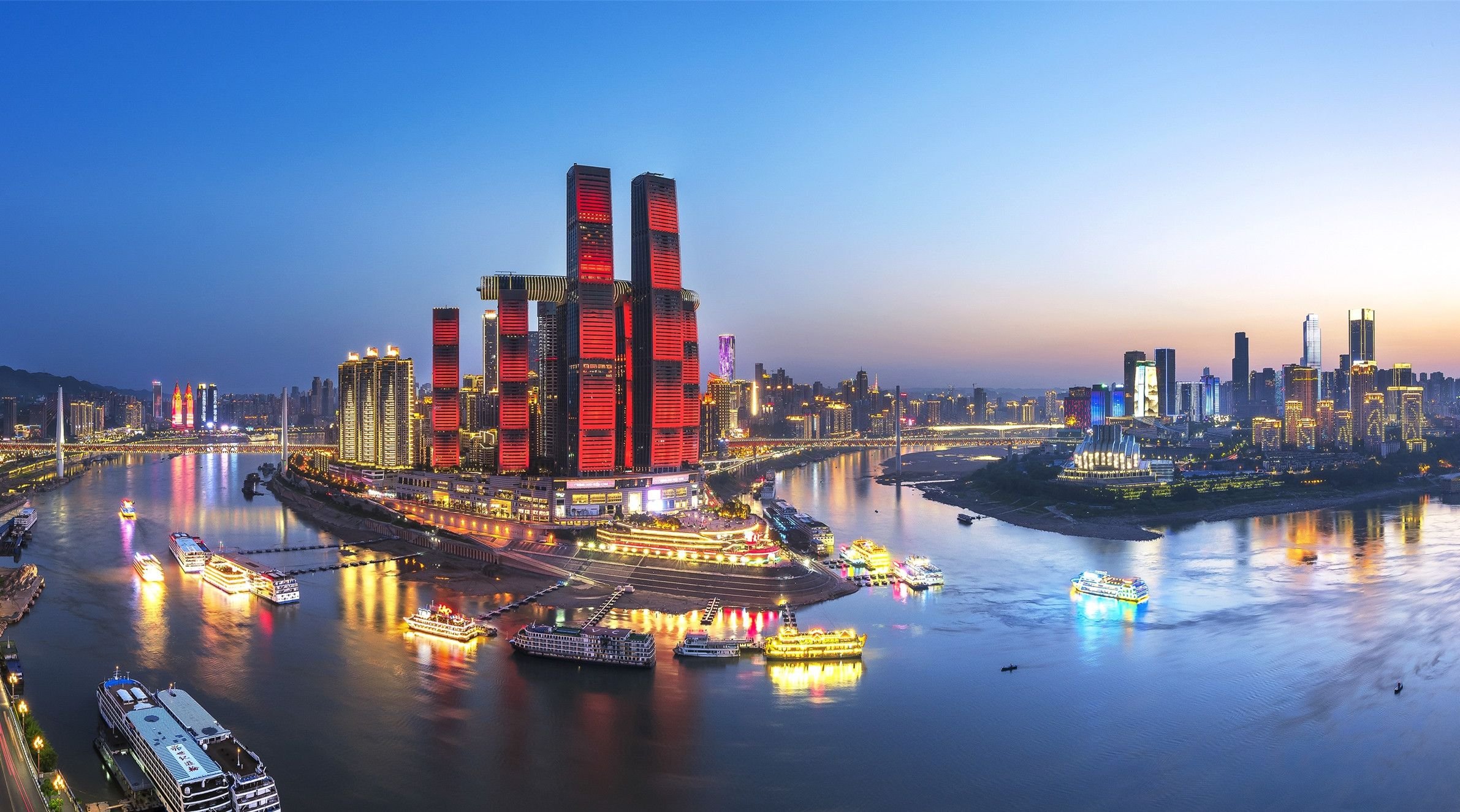
Chongqing is famed for its hilly terrain, foggy skyline, and dramatic views over the Yangtze and Jialing Rivers. It is often called the “Mountain City” and is known for its multi-level bridges, winding highways, and layered infrastructure that defies traditional urban planning.
Due to its terrain, Chongqing is one of the few cities in the world where trains pass through buildings, as seen with the popular Liziba Monorail Station.
Hotpot Culture: Chongqing is the birthplace of the Chinese hotpot tradition. Expect fiery broths, numbing Sichuan peppercorns, and communal dining that’s both social and flavorful.
Three Gorges & River Culture: As a gateway to the Three Gorges, Chongqing has long played a crucial role in river trade and exploration.
Historic Sites: Includes Ciqikou Ancient Town, a preserved historical district with Ming/Qing dynasty architecture, and Dazu Rock Carvings, a UNESCO World Heritage site with intricate Buddhist sculptures.

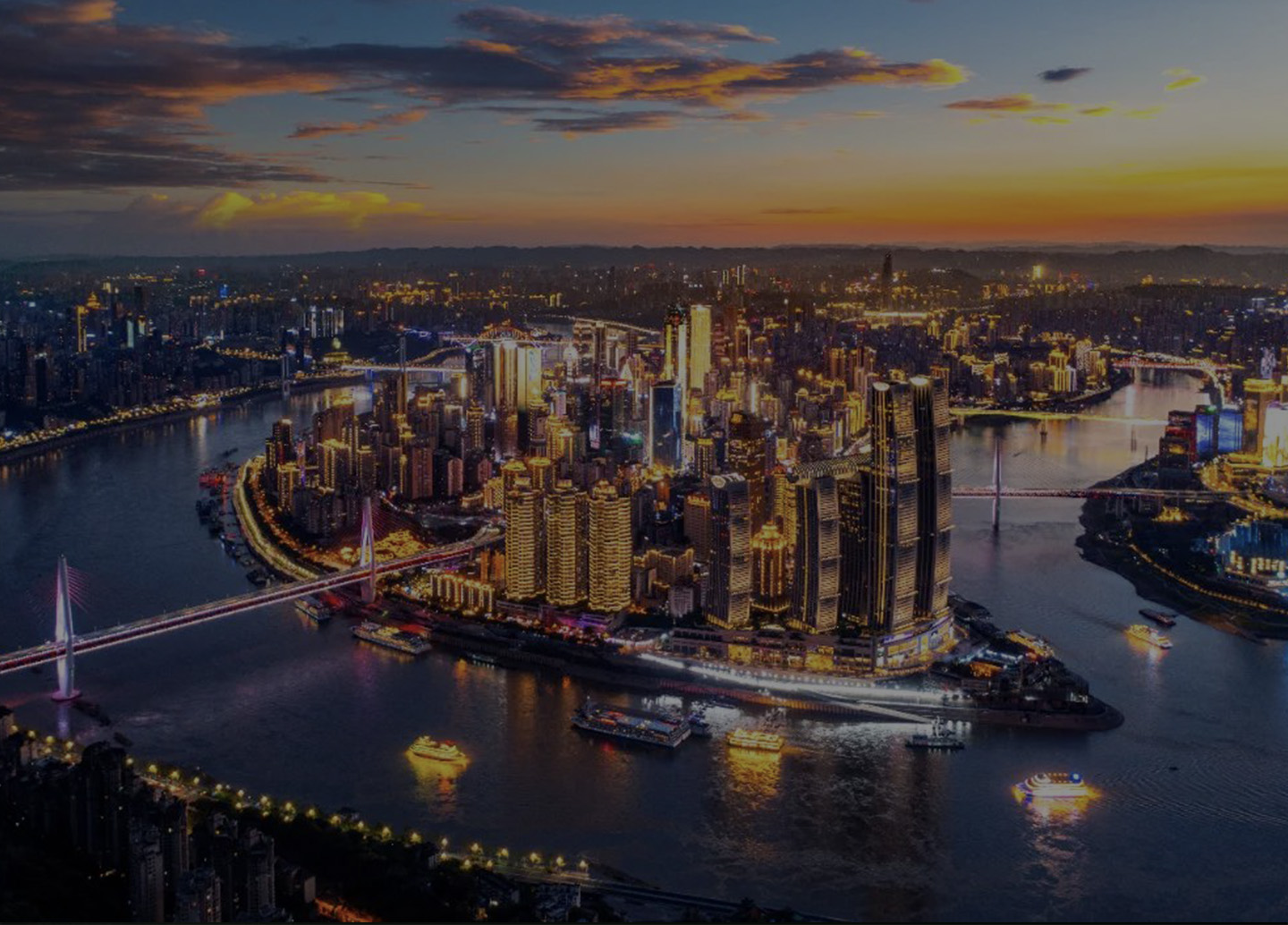
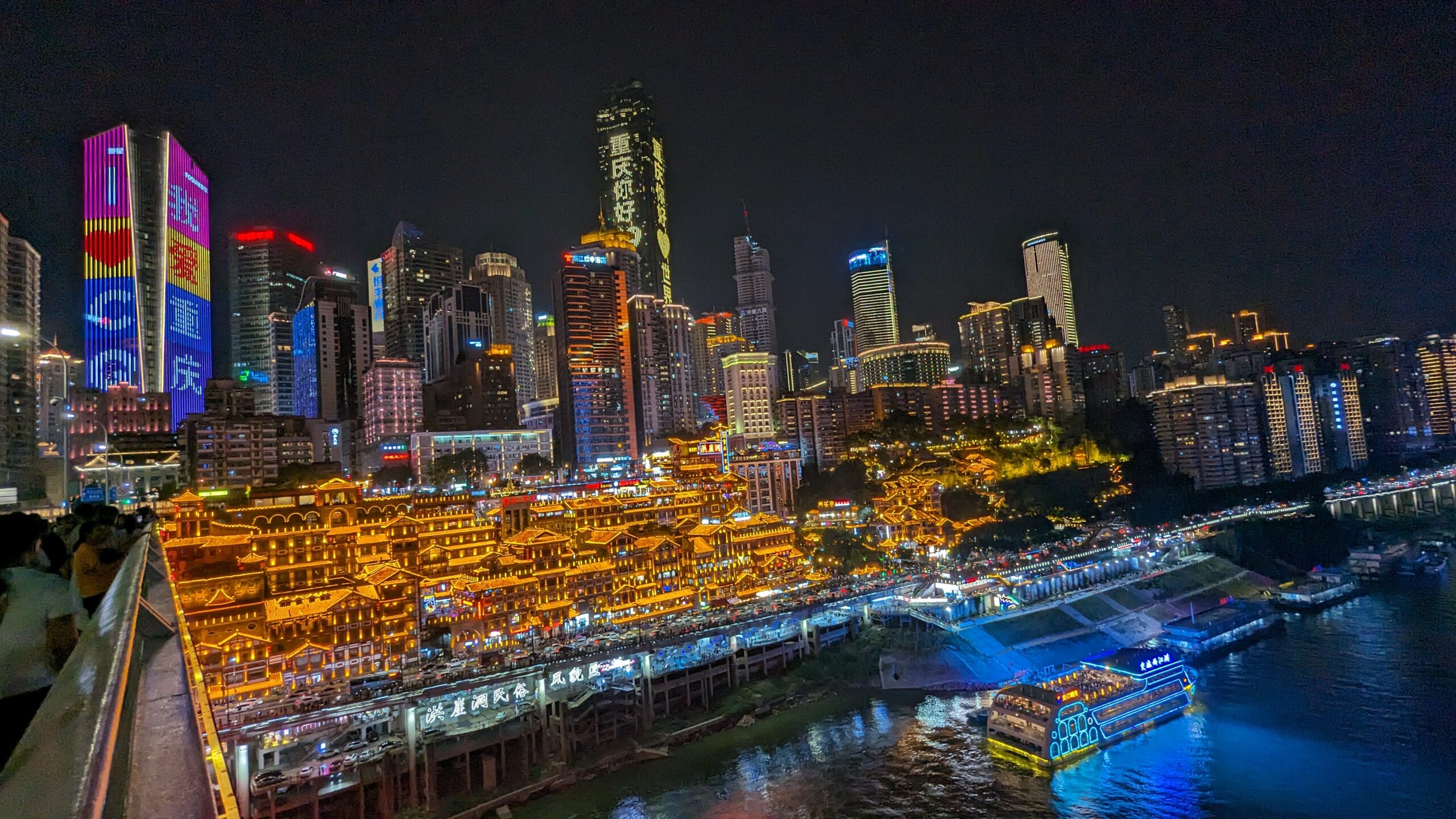
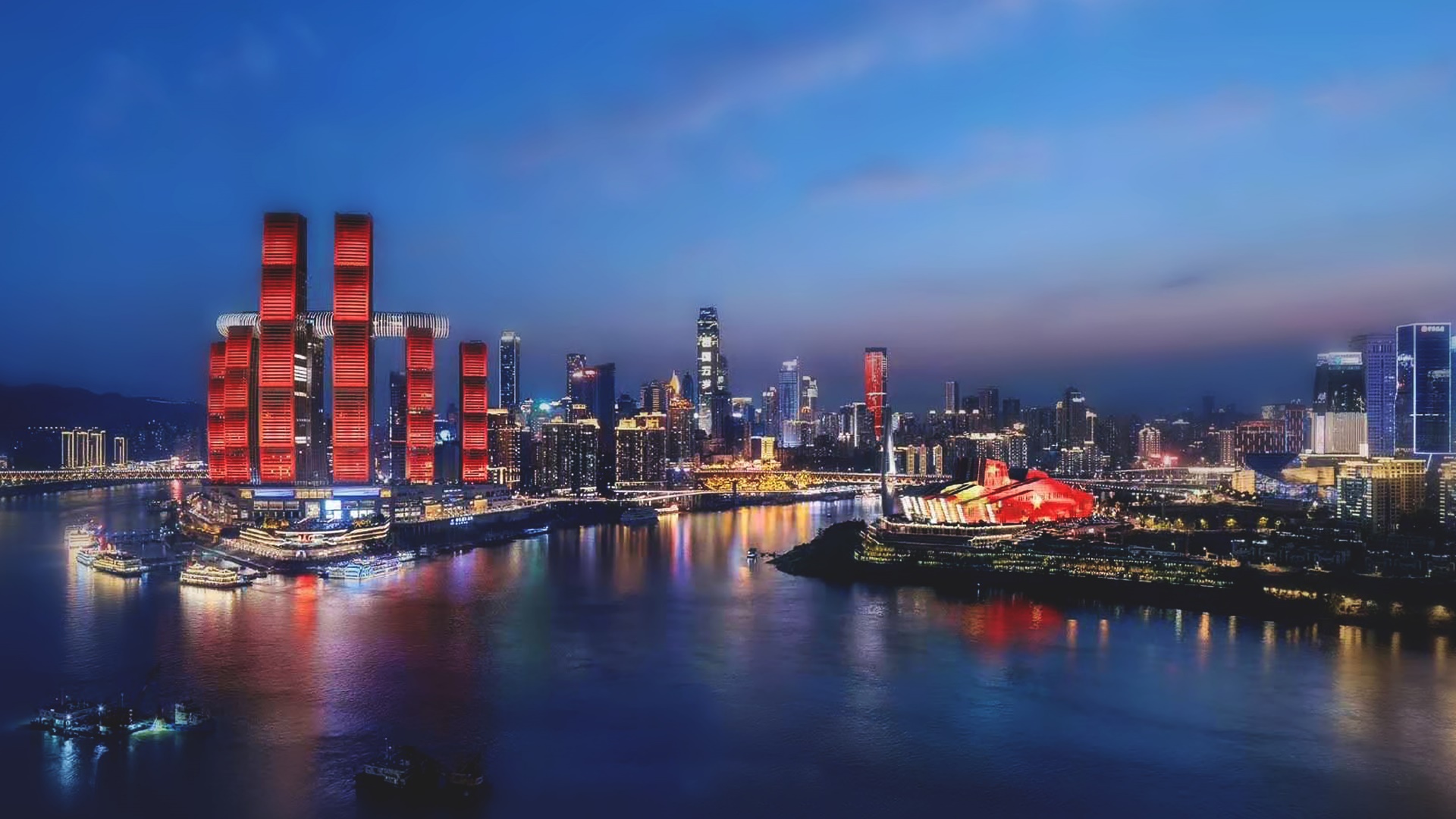
The city truly comes alive at night with neon-lit skyscrapers reflecting over the riverbanks. Areas such as Jiefangbei CBD and Hongyadong, a cliff-side stilted village turned food and shopping hub, offer stunning visuals and bustling crowds.
While hotpot is the soul of Chongqing cuisine, don’t miss:
Xiao Mian (spicy noodles) – simple yet flavorful
Grilled skewers (Chuan Chuan Xiang) – street food favorite
Pickled vegetables and cold dishes – unique textures and spices
Summer (June–August): Hot and humid, with temperatures often above 35°C
Autumn (September–November): Best time to visit, with cooler temps and less fog
Winter (December–February): Chilly but rarely snowing, hotpot becomes extra comforting
Spring (March–May): Mild weather and blooming scenery
The Singapore to Chongqing route offers not just a physical journey, but a passage between two rich cultures, modern cityscapes, and contrasting atmospheres. Singapore’s clean, structured, and technologically advanced charm complements Chongqing’s gritty energy, spicy food scene, and vertical urbanism.
Whether you’re traveling for business, tourism, or cultural exploration, the well-serviced air route ensures a smooth transition between Southeast Asia and Western China. With direct and connecting flights, flexible pricing, and rich post-arrival experiences, Chongqing awaits you with open arms—and probably a steaming pot of hot, spicy broth.
Learn more about information about Singapore to Chongqing, please visit chongqing.design.